Loading...
Loading...
India's doxycycline imports from SOUTH AFRICA total $890 across 4 shipments from 1 foreign suppliers. ADCOCK INGRAM HEALTHCARE(PTY LTD) leads with $890 in import value; the top 5 suppliers together control 100.0% of this origin. Leading Indian buyers include ADCOCK INGRAM LIMITED. This corridor reflects India's pharmaceutical import demand for doxycycline โ a concentrated sourcing relationship with select suppliers from SOUTH AFRICA.

ADCOCK INGRAM HEALTHCARE(PTY LTD) is the leading Doxycycline supplier from SOUTH AFRICA to India, with import value of $890 across 4 shipments. The top 5 suppliers โ ADCOCK INGRAM HEALTHCARE(PTY LTD) โ collectively account for 100.0% of total import value from this origin.
Ranked by import value (USD) ยท Indian Customs (DGFT) data
| # | Supplier | Value (USD) | Shipments | Share |
|---|---|---|---|---|
| 1 | ADCOCK INGRAM HEALTHCARE(PTY LTD) | $890 | 4 | 100.0% |
Ranked by import value (USD)
| # | Buyer | Value (USD) | Shipments | Share |
|---|---|---|---|---|
| 1 | ADCOCK INGRAM LIMITED | $890 | 4 | 100.0% |
SOUTH AFRICA โ India trade corridor intelligence
As of April 2026, the South Africa to India pharmaceutical trade corridor is characterized by the following:
1. Port Congestion: Major Indian ports such as Jawaharlal Nehru Port (JNPT), Chennai, and Mundra are experiencing moderate congestion due to increased trade volumes. This has led to slight delays in customs clearance and cargo handling.
2. Freight Rates: Sea freight rates from South Africa to India have remained stable over the past year, with minor fluctuations attributed to global shipping trends. Air freight rates have seen a slight increase due to higher fuel costs.
3. Currency Exchange: The exchange rate between the South African Rand (ZAR) and the Indian Rupee (INR) has been relatively stable, with minor fluctuations influenced by global economic factors.
Importers should monitor these factors to optimize logistics and cost management.
India's Production Linked Incentive (PLI) scheme, introduced in 2020, aims to boost domestic manufacturing of pharmaceuticals, including finished formulations. This initiative has led to increased domestic production of Doxycycline formulations, reducing the dependency on imports. However, certain specialized formulations and brands are still
CDSCO registration, import licensing, and quality testing requirements
To import finished pharmaceutical formulations containing Doxycycline into India, the following regulatory requirements must be met:
1. Import License: An Importer Exporter Code (IEC) from the Directorate General of Foreign Trade (DGFT) is mandatory. Additionally, an import license from the Central Drugs Standard Control Organization (CDSCO) is required for each product. This license ensures that the imported drug meets India's safety, efficacy, and quality standards.
2. CDSCO Registration: The imported formulation must be registered with CDSCO. This involves submitting detailed product information, including composition, manufacturing process, and clinical data, to demonstrate compliance with Indian regulations.
3. Form CT-20/40/41: Depending on the product type, specific forms such as CT-20 (for new drugs), CT-40 (for clinical trials), or CT-41 (for import of drugs) must be submitted to CDSCO.
4. DCGI Approval: The Drug Controller General of India (DCGI) must approve the import license application, confirming that the product is safe and effective for the Indian market.
5. NOC Requirements: A No Objection Certificate (NOC) from the Ministry of Health and Family Welfare may be required, especially for new drugs or those with novel formulations.
The timeline for obtaining these approvals can vary but typically ranges from 6 to 12 months, depending on the complexity of the product and the completeness of the submitted documentation.
Imported finished pharmaceutical formulations containing Doxycycline must undergo stringent quality control measures to ensure they meet Indian standards:
1. CDSCO-Approved Lab Testing: Each batch of the imported formulation must be tested in a laboratory approved by CDSCO. These tests assess the product's quality, purity, and potency.
2. Batch-Wise Requirements: Batch-wise testing is mandatory to verify that each batch complies with the specified standards. This includes testing for identity, strength, quality, and purity.
3. Certificate of Analysis (CoA): A CoA from the manufacturer, detailing the results of the batch testing, must accompany each shipment. This document certifies that the batch meets the required specifications.
4. Stability Data: Stability studies must be conducted in accordance with International Council for Harmonisation (ICH) guidelines, specifically for Zone IV conditions, to ensure the product's stability under Indian climatic conditions.
5. Indian Pharmacopoeia Standards: The formulation must comply with the standards set forth in the Indian Pharmacopoeia, which outlines the quality specifications for pharmaceutical substances and dosage forms.
6. Port Inspection: Upon arrival in India, customs drug inspectors conduct a thorough inspection of the shipment to verify compliance with all regulatory requirements. This includes checking the authenticity of the CoA, verifying batch numbers, and ensuring proper labeling.
Failure to meet these requirements can result in delays, rejections, or destruction of the imported goods.
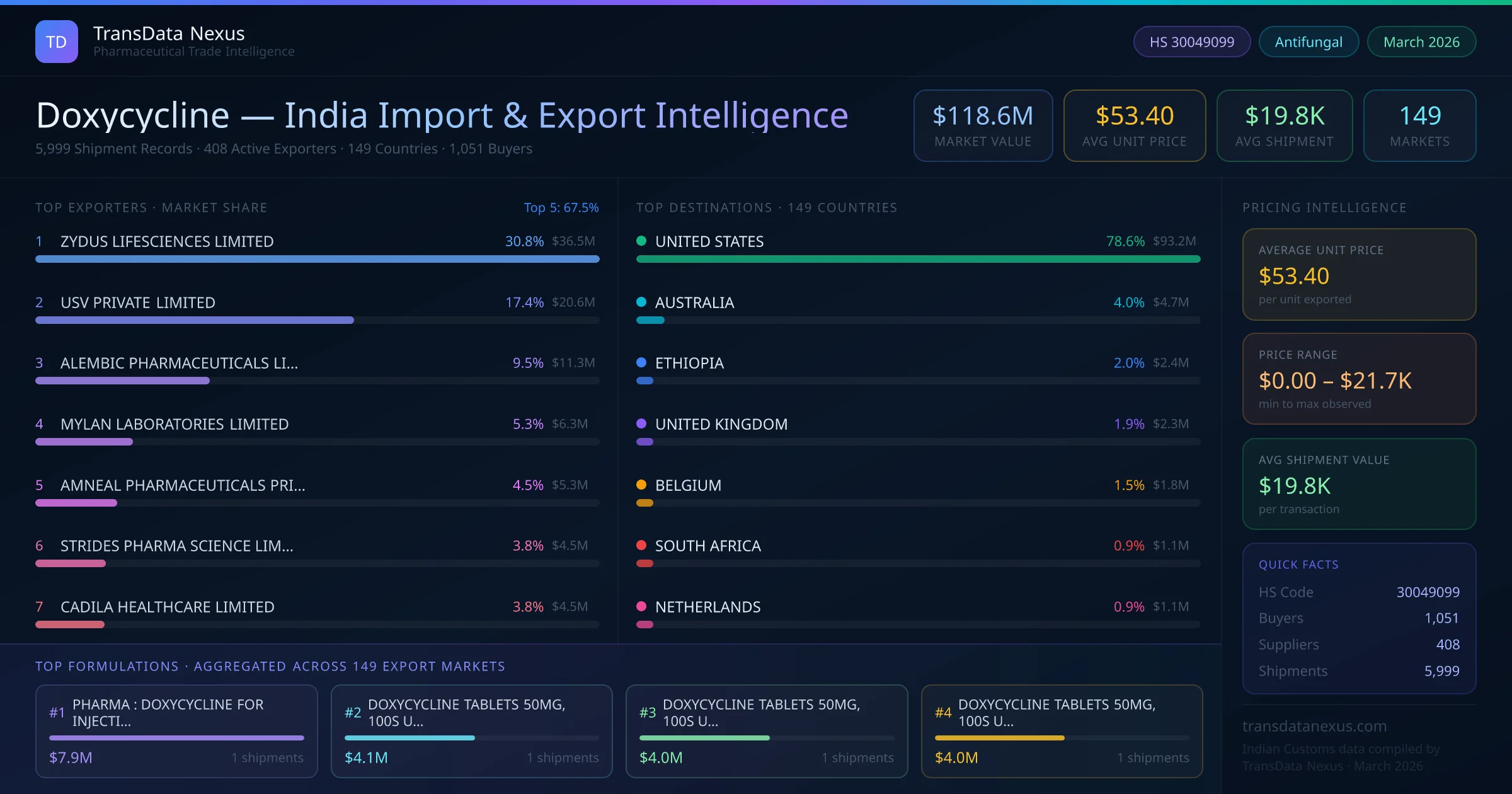
Between 2024 and 2026, India has implemented several regulatory updates affecting the import of finished pharmaceutical formulations:
1. CDSCO Regulatory Updates: CDSCO has introduced stricter guidelines for the import of pharmaceutical products, emphasizing the need for comprehensive documentation and adherence to quality standards. These updates aim to enhance patient safety and ensure the efficacy of imported drugs.
2. PLI Scheme Impact: The Production Linked Incentive (PLI) scheme, launched in 2020, has incentivized domestic manufacturing of pharmaceuticals. While this has led to increased domestic production, it has also affected the volume of finished formulations imported, as some products are now manufactured locally.
3. Bilateral Agreements with South Africa: India and South Africa have engaged in discussions to streamline pharmaceutical trade, focusing on mutual recognition of Good Manufacturing Practices (GMP) and facilitating faster regulatory approvals. These agreements aim to strengthen trade relations and ensure the quality of imported formulations.
These policy changes reflect India's commitment to improving the quality and safety of pharmaceutical imports while promoting domestic manufacturing capabilities.
Market demand, customs duty structure, and competitive landscape ยท Import duty: 10%
India imports finished Doxycycline formulations to meet the therapeutic needs of its population, particularly for treating bacterial infections such as respiratory tract infections, malaria, and sexually transmitted diseases. The demand for these formulations is driven by factors such as the prevalence of infectious diseases, the need for specific dosage forms not available domestically, and the requirement for branded or patented formulations. Despite a robust domestic pharmaceutical industry, certain specialized formulations and brands are not produced locally, necessitating imports. The market size for Doxycycline formulations in India is substantial, with imports contributing significantly to the overall supply.
The import of finished pharmaceutical formulations under HS Code 30049099 into India is subject to the following customs duties:
1. Basic Customs Duty (BCD): 10%
2. Social Welfare Surcharge (SWS): 10% of the BCD
3. Integrated Goods and Services Tax (IGST): 12%
4. Total Landed Duty: Approximately 23.536%
These duties are calculated on the Cost, Insurance, and Freight (CIF) value of the imported goods. It's important to note that the Indian government periodically reviews and updates these duty structures, so importers should consult the latest notifications from the Central Board of Indirect Taxes and Customs (CBIC) for the most current information.
India sources finished Doxycycline formulations from South Africa due to several competitive advantages:
1. Patented Formulations: South African manufacturers may offer patented formulations of Doxycycline that are not available from other suppliers, providing unique treatment options.
2. Specialized Dosage Forms: Certain specialized dosage forms, such as extended-release tablets or pediatric syrups, may be produced in South Africa, catering to specific patient needs.
3. Quality Assurance: South African pharmaceutical companies adhere to international quality standards, ensuring the safety and efficacy of their products.
4. Regulatory Compliance: Manufacturers in South Africa comply with Good Manufacturing Practices (GMP) recognized by international regulatory bodies, facilitating smoother import processes.
While other countries like China, Germany, and the United States also supply Doxycycline formulations to India, South Africa's unique offerings and quality standards make it a preferred source for certain formulations.
Answers based on Indian Customs (DGFT) import records compiled by TransData Nexus
The top Doxycycline suppliers from SOUTH AFRICA to India include ADCOCK INGRAM HEALTHCARE(PTY LTD). The leading supplier is ADCOCK INGRAM HEALTHCARE(PTY LTD) with import value of $890 USD across 4 shipments. India imported Doxycycline worth $890 USD from SOUTH AFRICA in total across 4 shipments.
India imported Doxycycline worth $890 USD from SOUTH AFRICA across 4 shipments. Data is from Indian Customs (DGFT) records. Values are in USD.
The main Indian buyers of Doxycycline sourced from SOUTH AFRICA include ADCOCK INGRAM LIMITED. The largest buyer is ADCOCK INGRAM LIMITED with $890 in imports across 4 shipments.
The total value of Doxycycline imports from SOUTH AFRICA to India is $890 USD, across 4 shipments and 1 foreign suppliers. Data source: Indian Customs (DGFT).
Data sourced from Indian Customs (DGFT) records. Verify regulatory and trade status with the agencies above.
Pharmaceutical Export-Import Analyst & Trade Intelligence Expert
Suresh Sormare is a pharmaceutical export-import analyst with deep expertise in Indian Customs (DGFT) data, HS code classification, and global pharmaceutical supply chains. His analysis covers 10M+ shipment records across 150+ countries and is used by manufacturers, procurement agencies, and trade consultants worldwide. Suresh specializes in identifying verified suppliers and buyers from customs records, mapping bilateral pharmaceutical trade corridors, analyzing tariff structures and regulatory frameworks across 170+ destination markets, and benchmarking competitive positioning for finished pharmaceutical formulations. His methodology combines granular customs transaction data with regulatory intelligence from FDA, EMA, WHO, CDSCO, and 40+ national drug authorities to deliver actionable trade insights for the pharmaceutical formulations sector.
linkedin.com/in/sureshsormareAll trade data is sourced from Indian Customs (DGFT) official shipping bill records โ the authoritative government database for India's pharmaceutical trade. Each verified record contains exporter name, consignee (buyer) name, detailed product description, quantity, declared FOB value (USD), port of loading, destination country, and shipment date.
Government-Sourced Data
Official DGFT customs records
Transparent Methodology
Calculations fully disclosed above
4 Verified Shipments
1 suppliers, 1 buyers tracked
Expert-Reviewed
By pharmaceutical trade specialists