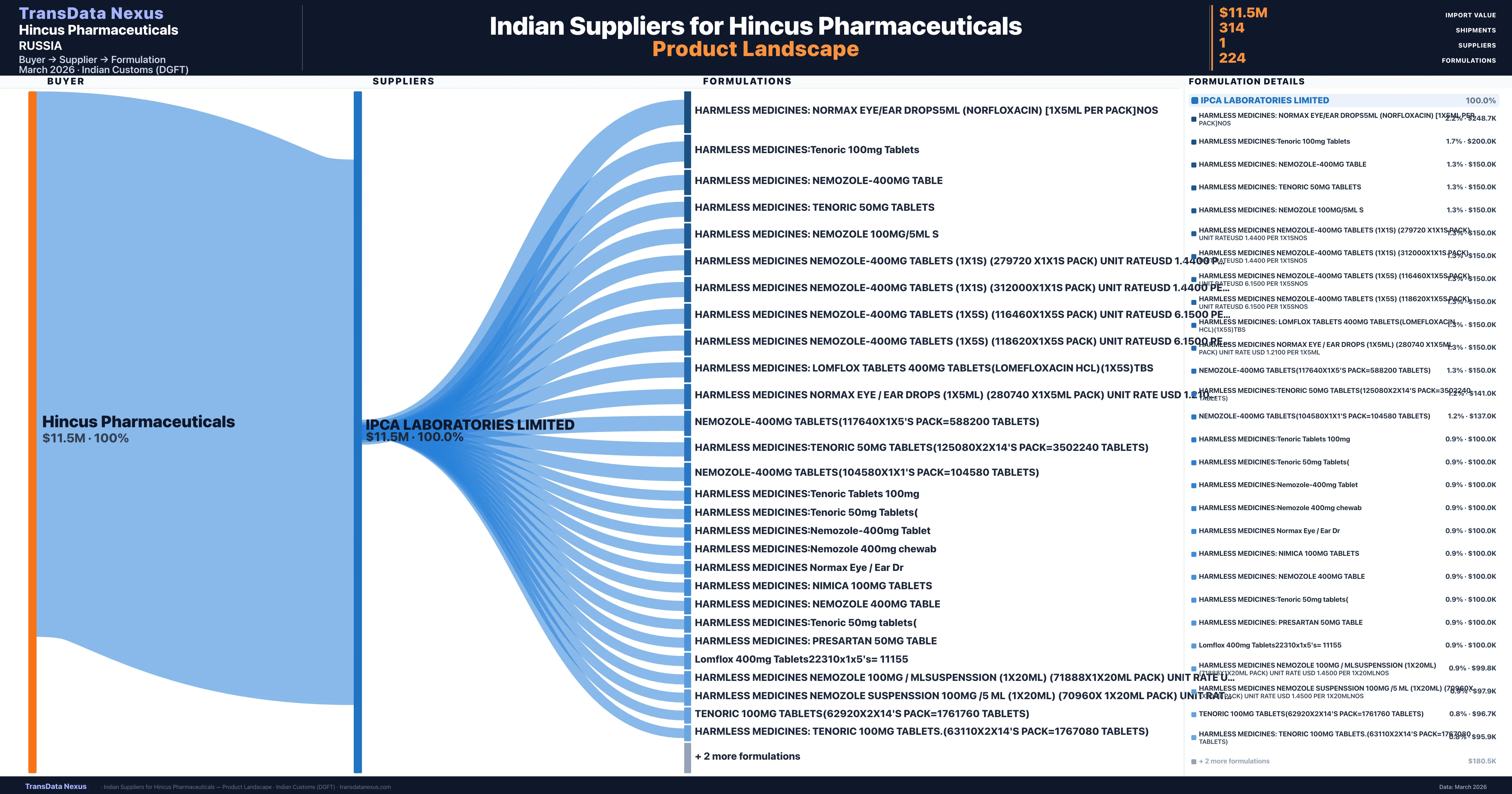
The primary regulatory authority overseeing the circulation of medicines in Russia is the Federal Service for Surveillance in Healthcare (Roszdravnadzor). This agency is responsible for ensuring the safety, efficacy, and quality of pharmaceutical products within the Russian Federation. The legal framework governing pharmaceutical imports is primarily established by Federal Law No. 61-FZ "On the Circulation of Medicines," enacted on April 12, 2010. This law outlines the procedures for the importation, registration, and distribution of medicinal products in Russia. According to Article 47 of this law, the import of medicines into the Russian Federation must comply with the customs legislation of the Customs Union and Russian Federation legislation.
The marketing authorization pathway for Indian generics involves several key steps:
1. Product Registration: Medicines intended for import must be registered with Roszdravnadzor. This process includes submitting comprehensive documentation, such as clinical trial data, manufacturing details, and quality control information.
2. Import Licensing: Once registered, an import license must be obtained from the Ministry of Industry and Trade of the Russian Federation. This license authorizes the importation of specific medicinal products into Russia.
3. Compliance with Standards: Imported medicines must adhere to Russian pharmacopoeial standards or, in their absence, to normative documentation. A certificate from the manufacturer attesting to compliance with these standards is required.